Q and A and Prize Day

You have all been very very good, so, as promised here is a photo of my talking Leonidas doll (excuse me, I mean Talking Leonidas
Action Figure) He is 12 inches high and comes with an extra head, one without the helmet. He says things like, "Spartans, ready your breakfast and eat hearty. For tonight we dine in HELL."

Even better, because you have been good, one of you has been randomly selected to win
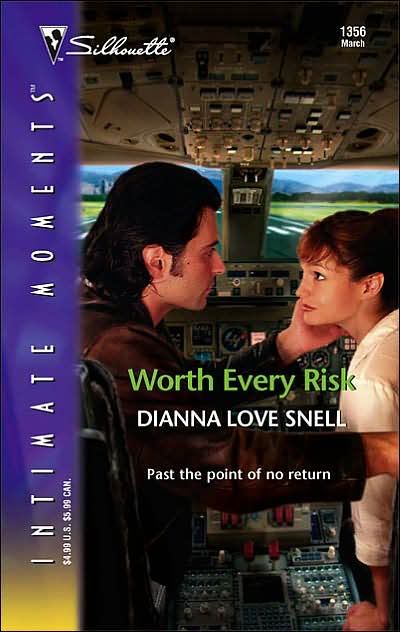
Dianna Love's RITA winning Silhouette Intimate Moments,
Worth Every Risk. And so you can read in bed, Dianna is also giving away a reading light.
The winner of
Worth Every Risk and a reading light is........
Terry ODellTerry, email me at
diane@dianegaston.com with your address. Let me hear from you by next Friday, February 22, or I'll have to award the prize to someone else and I don't want to do that.
Next prize is
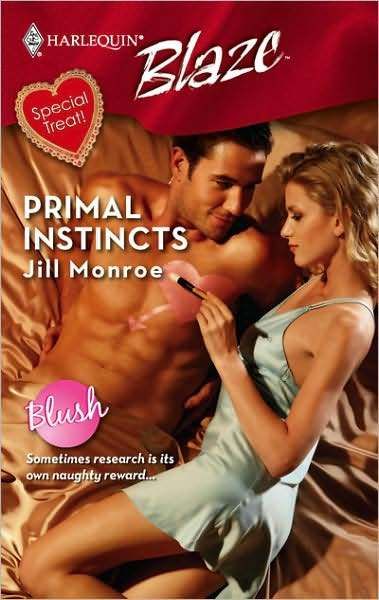
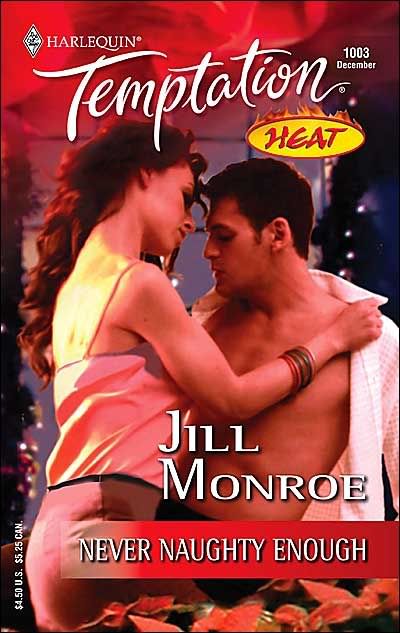
Jill Monroe's blazing Blaze,
Hitting the Mark. I'll choose that winner on Feb 29, Leap year day!
On to questions!
I missed one from last week. Eden Sharpe asked:
My question: I know GMC and all the other components involved in discovering these characteristics are supposed to help us to get to our character's core, but sometimes it feels that I'm "assigning" these when I should be uncovering them. How do you know when you've hit the authentic GMC? After several lectures and classes, this is still a big snag for me. (My manuscript is unfinished.)Wow. Good question, Eden. I love the concepts of Debra Dixon's GMC and Hauge's Identity and Essence, but I'm not very good at applying them. I think it is for the reason you mention, it can become forced, something made to fit the concept, instead of the concept serving the character development.
I try to imagine people. I think about their past lives and about what they are like now. I try to think about what their vulnerabilities are. I try to imagine them as real people and then I see if the GMC or Identity and Essence concepts can fit, but my applications to the concepts always sound dumb to me. The important thing is for me to remember the people, not the concepts.
Some of my friends need to write several chapters until they get to know their characters. When they reach that point, they apply the concepts and see if they fit. If they don't, then my friends rethink things and tweak .
Noodlers and our noodlettes, lend a hand here. How do you keep your characters real instead of acting out "assigned" characteristics?
What other questions do you noodlettes have? What character concepts give you problems? Are there any leftover questions from this week's blogs?
Today is your day to ask!
Labels: 300, GMC, Hauge, Leonidas, Q and A
What 300 Can Teach Us about Storytelling by Diane Gaston Perkins

In its opening weekend, the
movie 300 earned a whopping $70.9 million, the best March opening ever. I did my part! In fact, I’ve seen 300 three times now. I LOVED THIS MOVIE. It is no secret that I’m a card-carrying
Gerard Butler fan, so I was primed to love the movie, but even I was surprised it was as good as it was.
For those who may not know, 300 is based on a graphic novel by
Frank Miller. It tells the story of the Battle of Thermopylae in 480 BC, when 300 Spartans sacrificed their lives battling the largest Persian army ever assembled. This battle is considered a pivotal event in history preserving Western Civilization. The movie was filmed against a blue screen; the setting and special effects were computer generated, making it a whole new movie-going experience.

The movie is visually stunning and the performances are superb. I was totally sucked in to the world that was created. What was it about this movie that worked so well for me?

Anyone who has seen photos like this one cannot deny the appeal of all those fantastic male physiques. Gerard Butler is truly magnificent looking. But, at least for me, the actors quickly became Spartan soldiers and I forgot it was Gerry Butler and felt like I was watching King Leonidas.

But what can I learn about storytelling from 300?
1. Have something HUGE at stake. In 300, what is at stake is Greek freedom from the Persians. History tells us that perhaps the whole of Western Civilization was in the hands of the brave 300.

2. Have strong universal themes. In 300, it is very clear to me that the themes are of honor and sacrifice, to do what is right no matter what the cost. As Leonidas said, “Spartans never retreat. Spartans never surrender. Spartans die.”

3. Also have something at stake that is more personal, more human. The movie makers used the strong love between Leonidas and his wife, Gorgo, in this way. In part, you know that each are fighting for the survival of the other.

4. Make your love scene count for something more than a love scene. Too often we read love scenes that are just kinda stuck in a story, but in 300, it is as Leonidas comes to bed with his wife that he makes his decision of whether to fight or not. Gorgo asks him, “Ask yourself, my dearest love, what would a free man do?”

5. Have a worthy villain. The comic-book version of Xerxes, as all good comic books do, is an over-the-top, fantasy character who is deliciously sinister and seductively tempting. Add that he commands a million soldiers, he seems more than a worthy adversary to King Leonidas, who looks as invincible as a man can look.

6. Make every minor character as vivid as you can. One of the things that so impressed me about 300 was how the movie makers, in very light strokes--a few scenes, a bit of dialogue--made us care about the Spartan soldiers, made us boo Xerxes minions.

7. Create images that are memorable. The movie makers did this with their computer images, but as writers, we do this with our words. We ought to use language that creates vivid images; create lines that readers will remember.

I said this same thing after watching
Phantom of the Opera--maybe there is more to learn from the movie than I’ve noticed so far. Maybe I should go see it again. Anybody want to go with me? Let’s go to an IMAX theater this time!
Did you see 300? Not everyone gushes about it as I do. What did you think?
What elements of storytelling do you think are important?
Cheers!
Diane-who-is-counting-her-pennies-to-see-if-she-has-enough-for-the-matinee
This blog is also posted at Warner WomenLabels: 300, Diane Gaston, Diane Perkins, Gerard Butler, Storytelling

 You have all been very very good, so, as promised here is a photo of my talking Leonidas doll (excuse me, I mean Talking Leonidas Action Figure) He is 12 inches high and comes with an extra head, one without the helmet. He says things like, "Spartans, ready your breakfast and eat hearty. For tonight we dine in HELL."
 Even better, because you have been good, one of you has been randomly selected to win Dianna Love's RITA winning Silhouette Intimate Moments, Worth Every Risk. And so you can read in bed, Dianna is also giving away a reading light.