Q&A Friday!

It's Friday, and that means questions. Post your most pressing Golden Heart questions, and we'll answer them.
We spent some time this week focusing on judging, so I'd like to know from my fellow noodlers and readers alike about one of the most positive aspects of judging--reading an entry that scores a 9. If you've had that experience as a judge, tell us about it. What made that entry a 9? What excited you so much about that entry?
Have a great weekend!
Labels: Golden Heart contest, Judging
The Judged Also Judge - But How?

When you enter the Golden Heart, RWA also asks you to judge. What do you do when you don't exactly feel secure about judging?
First, remember this blog is here. It will be a while before you receive your Golden Heart entries to judge. More importantly remember that RWA has a nice list of
GH Judges' FAQs. The Judges' FAQs cover such questions as how to use the 1 to 9 scale, how to decide what the scale means, what to do if an entry doesn't meet the guidelines, formating issues. It is a must to read before judging, so remember it is there.
I'm going to tell you my philosophy of judging and you are free to use it or discard it. There's nothing official about this; it is just my opinion. Much of my opinion is based on RWA Judge's Training that my friends
Pam Palmer and Denise McInerney give each year for Washington Romance Writers. (Pam is a 2005 Golden Heart Winner, by the way)
1. Start with the impression that this is going to be the best entry you've ever read. If you start from the perspective of Positive Thinking, you are more apt to see what the writer does well. Be rooting for this person. Rather than worry about finding fault; focus on what is right.
2. Make your own 1 to 9 scale. Decide ahead of time what a perfect 9 would be and how bad an entry must be to make a 1. RWA
wants you to use your own judgment, bearing in mind that the
"judges should evaluate entries as though each is ready for publication, but lacking only the benefit of professional editing granted published work." Not the best book you've ever read, because that book would have had the benefit of professional editing, but a book you think worthy of being in print.
So your 9 could be, something like: "Hey, I want to see this one in print!"
An 8 could be: "Oh, this is so close..."
I think it is harder to go down the scale. What is a 5? How is a 5 different than a 6? What is a 1?
Don't sweat it, is my advice. The important scores are at the top of the scale, because those determine who finals. So your standard could be: 9 - This entry MUST final; 8 - I wouldn't mind if this one finaled; 7 - This entry is close, but I don't think it is quite close enough to final.
Below 7 just take your sense of where the manuscript is and don't worry about it...I always consider 5 as average, by the way, my "average" meaning this is what I expect of most beginning writers.
3. When should I give a 1?
My answer to this question is almost never (in my opinion). I think an entry that deserves a 1 is not likely to be entered in the Golden Heart. It would be a totally incomprehensible entry on every level. In fact, I'm hard pressed to give out 3s and 2s. I can't forget that there is a person behind the entry, a person whom I cannot tell why I am giving a low score, a person with
feelings. In the absence of feedback, my philosophy is to give the person a score that clues them in to the fact that their entry needs work. To me, an average or slightly below average score will do that. Heck, even a 6 or 7 will do that! (Although I reserve those scores for entries that almost are making it)
This is just my style, my opinion. I'm not saying you should do this, too. RWA does give permission to score entries the full range of the scale and stresses that you are supposed to use your
own judgment .
4. There is nothing I could find on the website that discusses the use of fractions or decimals - giving an entry an 8.9 or a 6.3, for example. If the final instructions include the use of decimals, by all means use them. Again, I advocate not agonizing over this. Go with your gut....or make yourself a detailed guideline of what each of the decimals mean to you...but don't worry so much about scores below 7. If you can't decide between an 8.3 and a 8.4 or an 8.8, remember that entries can miss the finals by one tenth of a point, then decide if you want this entry to have the higher score or not.
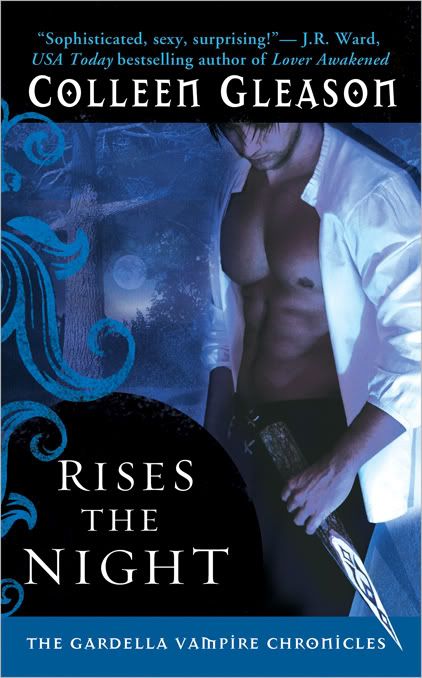
5. Try to keep your personal tastes out of your judging. This is admittedly a hard thing to do. It is made even harder, because you probably won't be judging the category you like the most and know the most about- the category you entered. Think about what you believe are the elements of good story, things like character, conflict, plot, dialogue, word usage, and judge the entry as to whether it meets those elements. For example, I personally do not read much paranormal, especially vampires (exception being
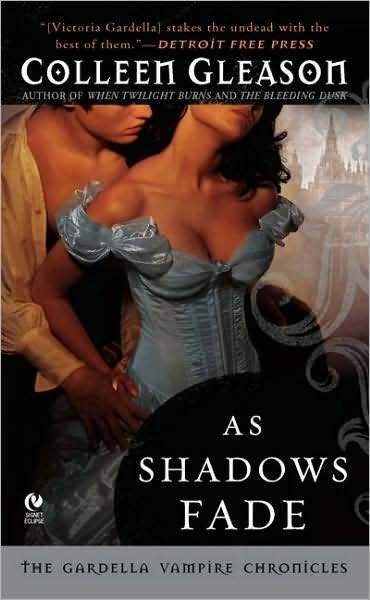
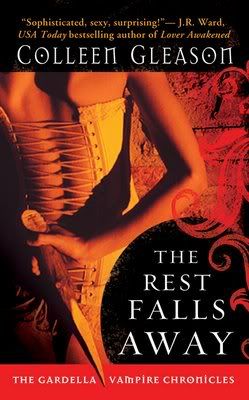
Colleen Gleason's Gardella Vampire Chronicles, which I adore), werewolves, and such, but I've judged paranormal contest entries. I try to look at the entry in terms of my standards for
story and if the writer meets those standards, then I score high. For the Golden Heart, I would ask myself,
"Should an editor should buy this?" not,
"Do I like this story."
6. Judge each entry on its own merits. DO NOT compare your packet of entries and judge them against each other. You are not ranking the entries; you are judging against a standard, and it is possible that all your entries are 9s. If they are all 9s, by all means give them what they deserve.
So when you open your packet of Golden Heart entries, think, "Goody! I'll bet these are all 9s!" then carefully read the RWA judging instructions. Next, look up the
GH Judges' FAQs, and if you need more, come back to this blog.

The judging will be a piece of cake.
What is your philosophy of judging? Do you think of the task differently than I do?
What trips you up the most when you are judging?
Read
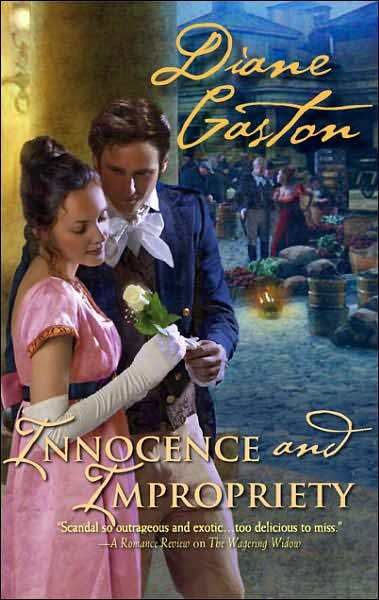
Diane's bio here and visit her
website for a new contest in the countdown to
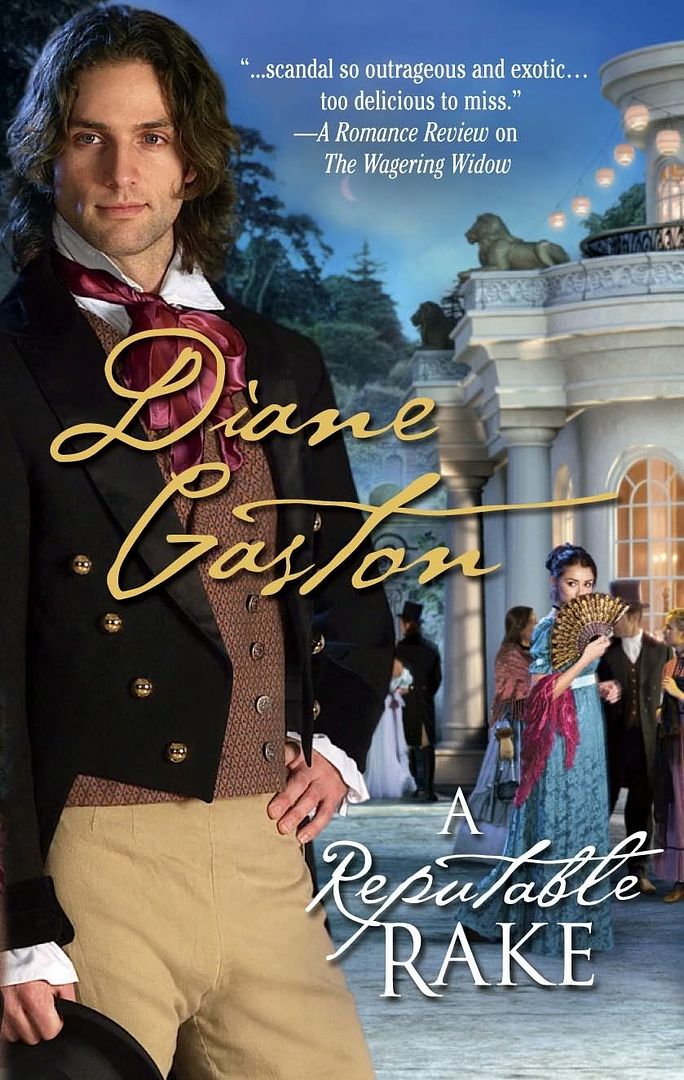
The Vanishing Viscountess, January 2008.
Labels: Diane Gaston, Golden Heart, Judging