The Importance of the First Page
The goal of the first page of a manuscript is to engage your reader. It’s that simple. So who is your reader? If you’re entering the GH, your audience is threefold--the reader who judges your entry and most likely knows the ins and outs of the business, the editor judge (if you make it into the finals), and the reader you pictured in your head when you first set out to write your novel. You should keep all three in mind.
Besides enjoying your subgenre, what does this three-headed audience have in common?
1. They love to read about people falling in love. Are you truly writing romance or a novel with romantic elements? That may change how you approach the first page.
2. Your audience is familiar with your subgenre’s conventions. So you’d better know those conventions as well, especially relating to page one. Read opening pages for the books currently filling the shelves in your entry’s subgenre. Glean information from them. Study them for trends. Where does your opening fit in the current market? Can it hold its own against the competition?
Other Questions to Keep In Mind When Analyzing Your Opening Page:
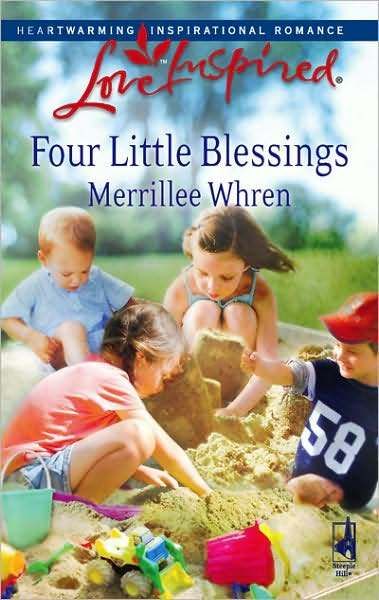
Does your audience have any sensitivities? For example, if you are writing an inspirational romance, opening with your heroine spewing expletives, while granted, would grab the reader’s attention. Using expletives in this case flies against the subgenre’s standard conventions. Here’s an inspirational opening that does work from Noodler Merrilllee Whren. Note that she includes a reference to God and that she piques our curiosity about the hero with her opening line. We want to know why Wade reacts with a frown to the kids’ laughter. We also want to know what happened in the past to make him feel glad to be alive. We’re curious about these battles he engaged in during the past year.
 Shrieks of childish laughter pierced the air, and Wade Dalton frowned. So much for the peace and quiet he’d been expecting on Florida’s Amelia Island. He surveyed the expanse of sand dunes swaying with sea oats. Too tired to get up from his lounge chair and check out the source of the laughter, he leaned back on the cushion and closed his eyes. The late-morning sun, warming his face, reminded him that he should be glad he was alive. After the battles of the past year, a little unplanned noise shouldn’t bother him. God must have a purpose for his life.
Merrillee Whren, Four Little Blessings, Harlequin Love Inspired, http://www.merrilleewhren.com
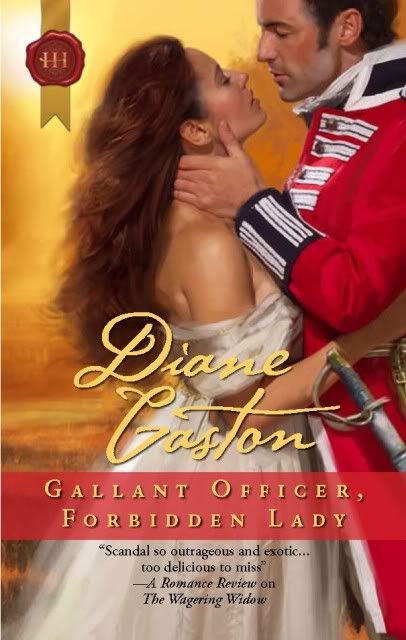
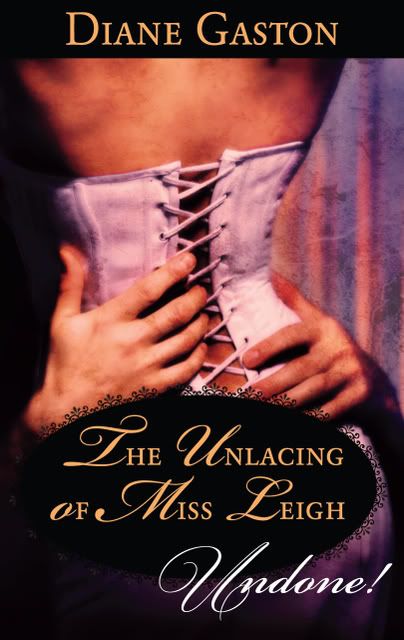
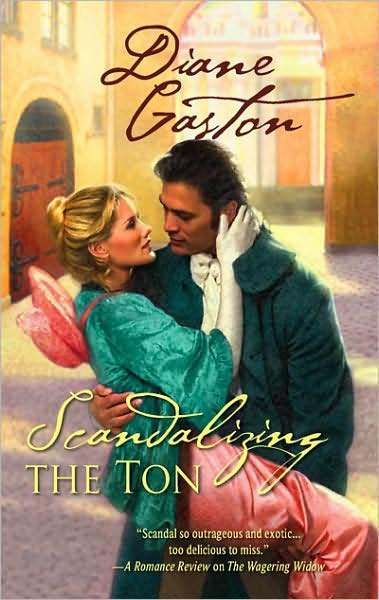
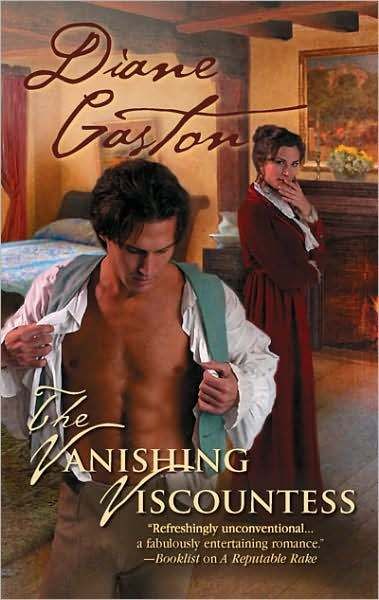
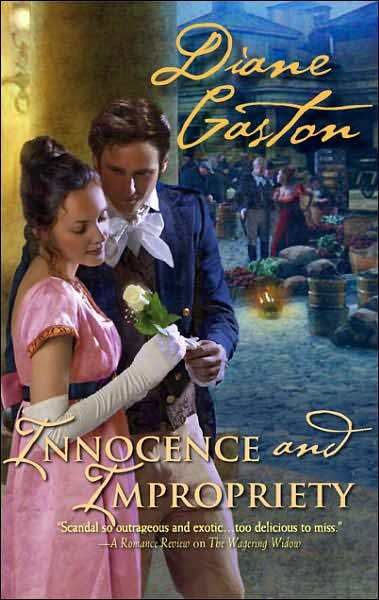
What does your audience value? Historical readers tend to value accuracy in historical detail, so it’s best not play fast and loose with the facts or ignore them. Regency readers in particular are known to be sticklers for accuracy. Furthermore, historical readers want to be swept away to a different time and place. Make absolutely certain the setting and dialogue transport your reader. The following is Noodler Diane Gaston’s opening. Note the language “took no heed” “leave me this instant” “release me”. In a modern setting, we might use “paid no attention” “get away,” “let go.”
Besides enjoying your subgenre, what does this three-headed audience have in common?
1. They love to read about people falling in love. Are you truly writing romance or a novel with romantic elements? That may change how you approach the first page.
2. Your audience is familiar with your subgenre’s conventions. So you’d better know those conventions as well, especially relating to page one. Read opening pages for the books currently filling the shelves in your entry’s subgenre. Glean information from them. Study them for trends. Where does your opening fit in the current market? Can it hold its own against the competition?
Other Questions to Keep In Mind When Analyzing Your Opening Page:
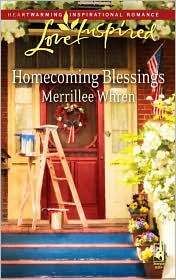
Does your audience have any sensitivities? For example, if you are writing an inspirational romance, opening with your heroine spewing expletives, while granted, would grab the reader’s attention. Using expletives in this case flies against the subgenre’s standard conventions. Here’s an inspirational opening that does work from Noodler Merrilllee Whren. Note that she includes a reference to God and that she piques our curiosity about the hero with her opening line. We want to know why Wade reacts with a frown to the kids’ laughter. We also want to know what happened in the past to make him feel glad to be alive. We’re curious about these battles he engaged in during the past year.
 Shrieks of childish laughter pierced the air, and Wade Dalton frowned. So much for the peace and quiet he’d been expecting on Florida’s Amelia Island. He surveyed the expanse of sand dunes swaying with sea oats. Too tired to get up from his lounge chair and check out the source of the laughter, he leaned back on the cushion and closed his eyes. The late-morning sun, warming his face, reminded him that he should be glad he was alive. After the battles of the past year, a little unplanned noise shouldn’t bother him. God must have a purpose for his life.
Merrillee Whren, Four Little Blessings, Harlequin Love Inspired, http://www.merrilleewhren.com
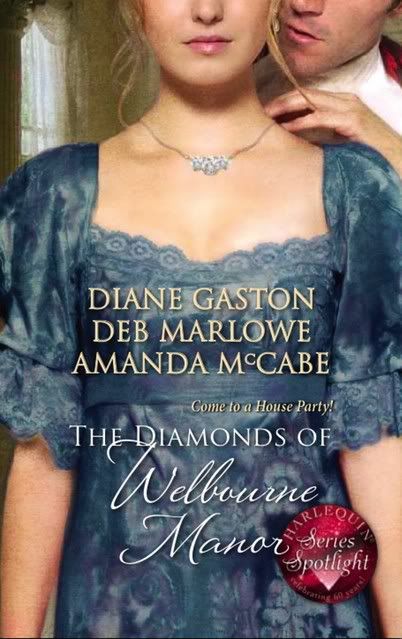
What does your audience value? Historical readers tend to value accuracy in historical detail, so it’s best not play fast and loose with the facts or ignore them. Regency readers in particular are known to be sticklers for accuracy. Furthermore, historical readers want to be swept away to a different time and place. Make absolutely certain the setting and dialogue transport your reader. The following is Noodler Diane Gaston’s opening. Note the language “took no heed” “leave me this instant” “release me”. In a modern setting, we might use “paid no attention” “get away,” “let go.”
“Leave me this instant!”

A woman’s voice.
Adrian Pomroy, the new Viscount Cavanley, barely heard her as he rounded the corner onto John Street. Not even halfway down the block he saw the woman stride away from a man. The man hurried after her. They were mere silhouettes in the waning light of this November evening and they took no heed of him.
Adrian paused to make sense of this little drama. It was most likely a lover’s quarrel, and, if so, he’d backtrack to avoid landing in the middle of it.
“One moment.” The man kept his voice down, as if fearing to be overheard. “Please!” He seized her arm.
“Release me!” The woman struggled frantically to pull away.
Lover’s quarrel or not, Adrian could not allow a woman to be treated so roughly. He sprinted forward. “Unhand her! What is this?”
Diane Gaston Scandalizing the Ton, Harlequin Historical (on sale Oct 2008). http://www.dianegaston.com
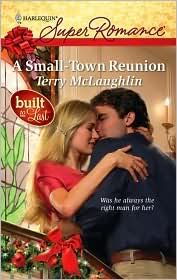
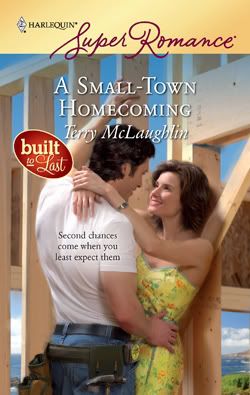
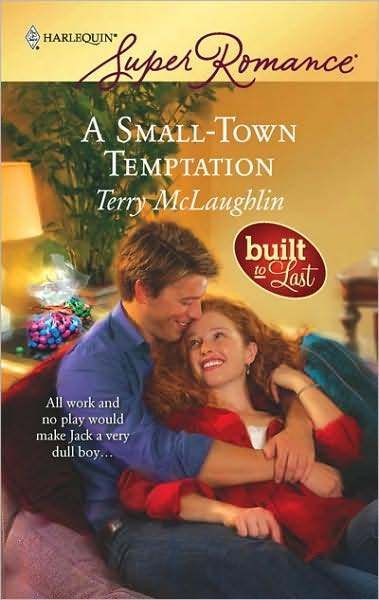
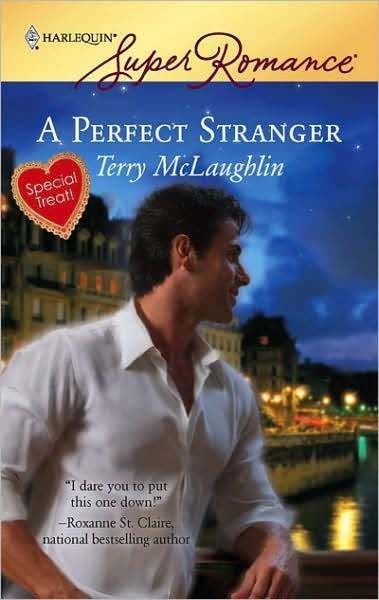
Does your audience have any pacing preferences? Have you fulfilled them? Suspense novels tend to begin with a bang--Perhaps a hero or heroine in peril, an explosion, or maybe even a dead body. Readers who like suspense want you to make their pulse quicken. They like a fast pace. Series Contemporary romances often put the hero and heroine together on page one. If not on page one, then somewhere close in to the first chapter. When you have a page count on the lower end, you have to get to the romance faster. Noodler Terry McLaughlin knows this. Note how we’re deep in the hero’s head and we’re getting his first impression of the heroine. She’s angry; the audience wants to know why.
 Jack Maguire wouldn’t be needing a second look to confirm the rumor: Charlie Keene was a woman who could give a man hell. She stood a dozen yards away, her muddy boots planted at the edge of Earl Sawyer’s gravel yard, flaring up like a pint-size serpent to poke a pointy finger at his gut. And if that image wasn’t enough of a giveaway, all a guy had to do was listen. She hissed and spat in a fire-and-brimstone vocabulary, providing Sawyer with an impressive preview of everlasting damnation.
Terry McLaughlin, Small-Town Temptation, Harlequin Superromance, http://www.terrymclaughlin.com
What gets your attention on an opening page? Does page one of your manuscript engage?
Does your audience have any pacing preferences? Have you fulfilled them? Suspense novels tend to begin with a bang--Perhaps a hero or heroine in peril, an explosion, or maybe even a dead body. Readers who like suspense want you to make their pulse quicken. They like a fast pace. Series Contemporary romances often put the hero and heroine together on page one. If not on page one, then somewhere close in to the first chapter. When you have a page count on the lower end, you have to get to the romance faster. Noodler Terry McLaughlin knows this. Note how we’re deep in the hero’s head and we’re getting his first impression of the heroine. She’s angry; the audience wants to know why.
 Jack Maguire wouldn’t be needing a second look to confirm the rumor: Charlie Keene was a woman who could give a man hell. She stood a dozen yards away, her muddy boots planted at the edge of Earl Sawyer’s gravel yard, flaring up like a pint-size serpent to poke a pointy finger at his gut. And if that image wasn’t enough of a giveaway, all a guy had to do was listen. She hissed and spat in a fire-and-brimstone vocabulary, providing Sawyer with an impressive preview of everlasting damnation.
Terry McLaughlin, Small-Town Temptation, Harlequin Superromance, http://www.terrymclaughlin.com
What gets your attention on an opening page? Does page one of your manuscript engage?
Labels: first page, GH, Maureen Hardegree
posted by Mo H @ 7:25 AM
14 comments