GMC—Goal, Motivation & Conflict

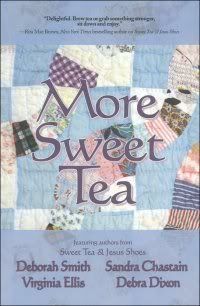
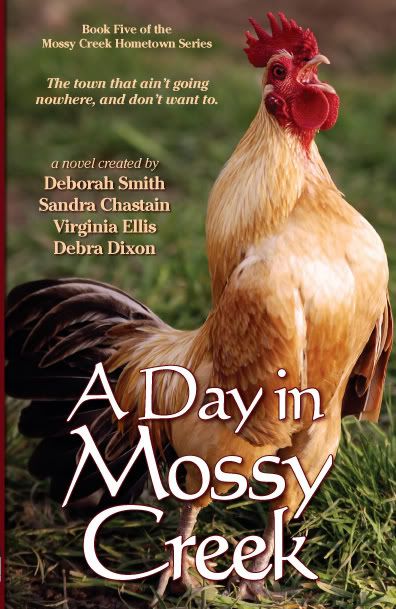
Beginning writers often hear that their stories need more conflict, but they’re not always told how to create it. Experienced writers understand the complexities of conflict, that it’s more than misunderstanding, petty bickering, and dialogue that’s laced with sarcasm. Debra Dixon, in her book Goal, Motivation & Conflict: The Building Blocks of Good Fiction, breaks down those complexities into interconnected components that are manageable and easy to understand.
I don’t often read or recommend how-to books, but I read this one from cover to cover in one sitting and I highly recommend it, especially for new writers.
Dixon defines the components as the who, what, why, and why not or our stories.
Who = the characterWriters use many different methods to develop their characters. Whatever method we use, it’s critical that the goals fit the character. For our purposes, I’ll use a couple of examples from my 2003 GH romantic suspense finalist, In Harm’s Way. The tag line I wrote for that story gives a brief summary.
What = the character’s goals (the things he wants,
needs, or must have to be a whole person)
Why = the character’s
motivation for wanting to achieve those goals
Why Not = the conflict
that prevents the character from reaching his goals
A convicted serial killer is on the loose and seeking revenge. His targets—an ERTo work out the hero and heroine’s GMC, I used the chart format in Dixon’s book.
doctor and a Vancouver City Police detective—need to set aside their personal
feelings long enough to keep themselves out of harms’ way.


I didn't fill in the whole the chart for you, but I encourage you to try one for your work in progress.
Keep in mind that characters can have both immediate and long-term goals, and their motivations for achieving those goals are often tied to backstory. Even though we might not want to include a lot of backstory in our books, it’s still important that we know what that backstory is.
I always come up with several goals—external and internal—for each character. Each goal can then be written as a simple GMC statement.
(Character) needs (goal) because (motivation) but (conflict).The following two statements are from my GMC charts.
Jack needs to apprehend the killer because he’s gone on another killing spree,The charts may be all you need, but I find statements are easier to work. I even print them and post them by my computer because referring to them helps me stay focused as I write. This information is especially useful for revisions. For each scene, I ask myself if that scene captures one of my character’s GMC. If not, how do I fix it? Or do I need the scene at all?
but he can’t let innocent people, especially Sally, get hurt.
Sally wants to get back to work at the hospital because it’s the one place where she
feels most in control, but she has to stay with Jack until the killer is caught.
I also use GMC statements to help me a write a short synopsis, which is useful for contest entries and submissions to editors and agents. Here’s my 175-word synopsis for In Harm’s Way.
Jack Hamilton trusts his instincts, and it always pays off. It’s when he follows
his heart that he gets into trouble. His instincts led to the conviction of a
horrific serial killer. They also led him straight into the arms of a gorgeous
woman, and that’s when he made the mistake of letting his heart take over.
Sally Griffith was every inch the woman Jack imagined spending the rest
of his life with. Intelligent, capable, beautiful. A lot like the woman he
married, the woman who died before he understood what she needed. The woman he
failed to protect.
Aaron Harms had been a respected emergency room
doctor. That many of his patients didn’t survive seemed, at first, like a simple
run of bad luck. Jack Hamilton recognized the pattern to Harms’ apparent
misfortune, and Sally Griffith provided the evidence.
Two years after his conviction, Aaron Harms escapes from prison, and he wants revenge. Jack knows instinct will lead him to the killer, but will his heart get in the way of keeping Sally safe?
I received a lot of favorable comments for this synopsis, and I owe it all to Debra Dixon's GMC. The tagline I gave at the beginning also came from the GMC charts and statements.
If you struggle with conflict, Dixon’s method of breaking it down into components might work for you.
Questions? Ask away.
If you’d like to play around with a GMC statement for something you’re working on, feel free to post it and the other Noodlers and I will pop in with comments.
Happy writing!
Lee
Lee's website
Lee's blog
Labels: Conflict, Debra Dixon, Goal, Lee McKenzie, Motivation
posted by Lee McKenzie @ 10:36 AM
14 comments