Q and A Friday

Today is Q and A Friday, your chance to ask the Noodlers all your niggling questions about our topic of the month - CONFLICT
What questions about Conflict do you have so far?
It could be about Michael Hauge's ideas about what makes for good conflict, or using Debra Dixon's Goal Motivation and Conflict.
You might want to try out Pris's fill in the blanks, or use us to figure out whether your hero and heroine have true conflict or are just bickering.
Ask away! One of the Noodlers is bound to help. (Or at least have a strong opinion :-))


Remember, if you ask a question or make a comment this month you will have a chance to win an autographed Jo Beverley book
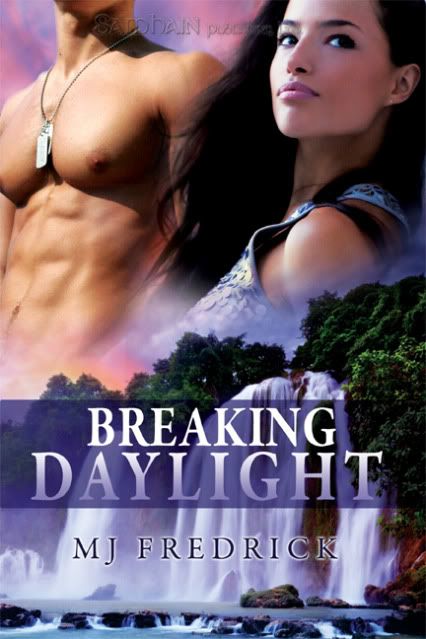
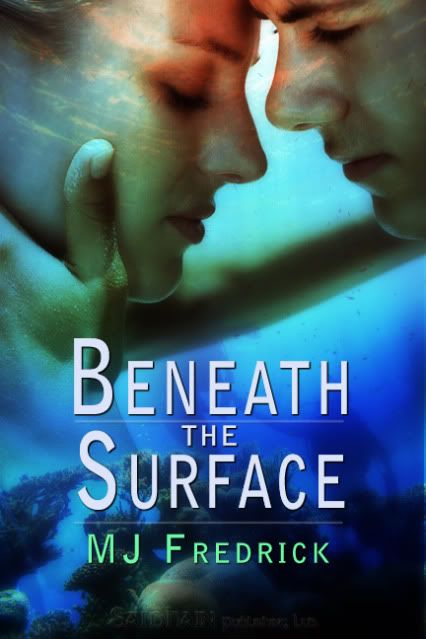
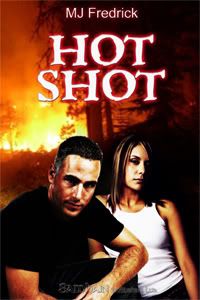
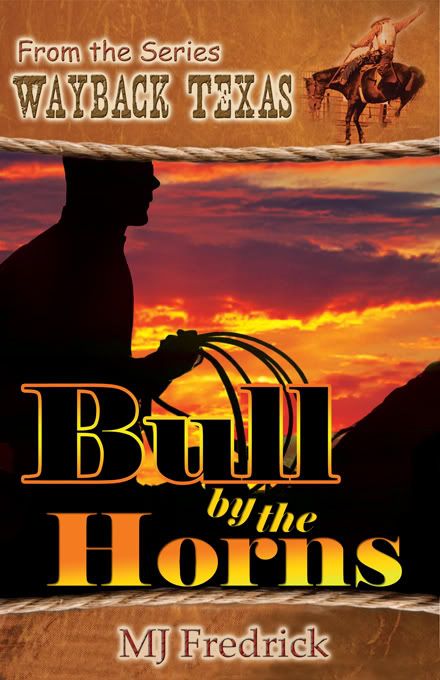
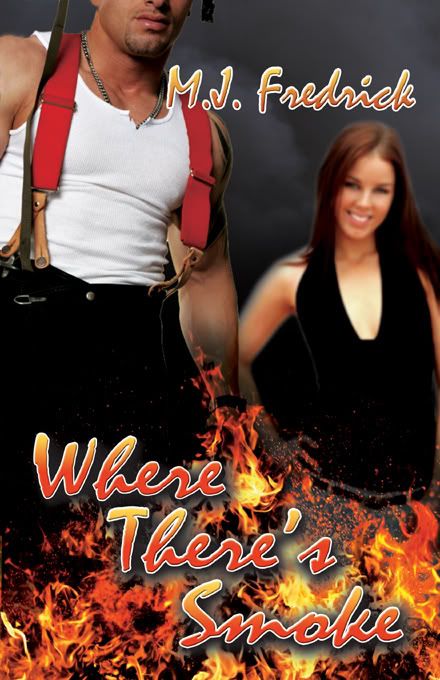
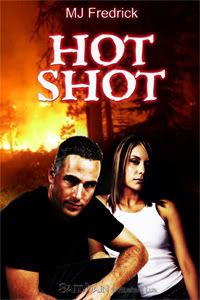
And don't forget that Noodler MJ Frederick has a new release.
Hot ShotLabels: Conflict, Debra Dixon, Jo Beverley, Michael Hauge, MJ Frederick
Michael Hauge on Conflict


Michael Hauge is a screenplay consultant, lecturer and acclaimed author of
Writing Screenplays That Sell. His ideas about what makes a good screenplay have captured the interest of romance writers making him a very popular speaker at RWA and its chapters. I attended a Hauge workshop last fall and loved what he said. This little blog not going to substitute for attending a workshop, reading his book or purchasing a CD or DVD. See his
website for details on ordering and his speaking schedule.
My two previous blogs on Hauge:
Michael Hauges’s Concepts of Identity and EssenceMichael Hauge on Plotting
Now for Hauge’s ideas about Conflict.
Hauge says that all screenplays (and stories) have Character, Desire, and Conflict. Stories are about “a character pursuing a visible desire facing visible conflict.” As the main character, the “hero,” pursues his (or her) goal, obstacles are thrown in his path. The obstacles are the external conflict of the story, and the pursuit of the goal is the “Outer Journey.”
In the most satisfying stories the hero also has an “Inner Journey,” a journey Hauge would say takes him from his “Identity” into his “Essence.”
Hauge says a character’s Identity is the system of beliefs and behavior he has developed to shield him from pain, the unhealed pain of an early wound. Identity is who he thinks he
must be. The hero’s Essence is who he
really is; who he needs to become, his “true self.” (see my
earlier blog for more explanation).
Here, then, is the hero’s internal conflict. He cannot become his true self, cannot come into his Essence, unless he faces the pain that blocks his path.
Hauge recommends making the external goal something big and important to the hero, but making it one that he cannot achieve unless he faces that early pain and comes into his Essence. Even if the hero's goal changes in the story, at the end the hero gets what he really needs in order to be his true self.
In Hauge’s view, a good love story is one in which the lovers “see beneath the other’s identity and connect at the level of essence.” This is the glue that keeps them connected to each other. In your story, then, you have to show glimpses of each character’s Essence, to show why they are meant for each other. The two lovers also need to put each other in the situation of facing the pain that blocks them from achieving their Essence.
Let’s see if this works.

Take Darcy from Pride & Prejudice (Darcy of Janet’s wet shirt last week!). Darcy’s goal in the story is to prevent his friend Bingley from marriage to a woman Darcy believes is unsuitable; we can infer that Darcy himself desires to avoid an unsuitable marriage. Darcy, the “Pride” in P&P, is wary of those whose status is beneath his own. Being proud and rather snobby at the beginning of the book is Darcy’s “Identity;” it is who he thinks he needs to be in order to avoid pain.
What does Darcy fear? What is the source of his pain? Well, his sister was almost the victim of gold-digging Wickham, so perhaps Darcy fears people professing to care about him only because he is rich. Mrs. Bennett makes Darcy believe she is out to snare wealthy husbands for her daughters, but Lizzie shows him she is bright, witty, caring, loyal, unintimidated by him or Lady Catherine de Bourg, and not interested in currying his favor. He falls in love with her, which is a big obstacle in his effort not to make an unsuitable marriage.
Another obstacle is that she refuses him! (Remember Darcy’s proposal? It is the battle between his identity and his essence, played out right in front of Lizzie)
Lizzie’s identity, of judging people too quickly (Prejudice) prevents her from seeing Darcy’s worthiness, until he shows her glimpses of his essence in his letter and in his behavior toward her at Pemberley.
Then, big external conflict, Lydia runs away with Wickham. This time, however, Darcy uses his wealth and status to help Lizzie. He has changed into his Essence. Lizzie alone knows it, and, of course, the end result is a very satisfying marriage.
Hauge’s formula works!
Can you see using Hauge’s concepts of Identity and Essence to help you develop your character’s conflicts? In other words, does any of this make sense to you?


Remember to check
Michael Hauge’s website to learn more about his products and appearances. While you are at it, check my
website, too. It will tell you how to find my eHarlequin short story,
The Diamond, how to get a copy of
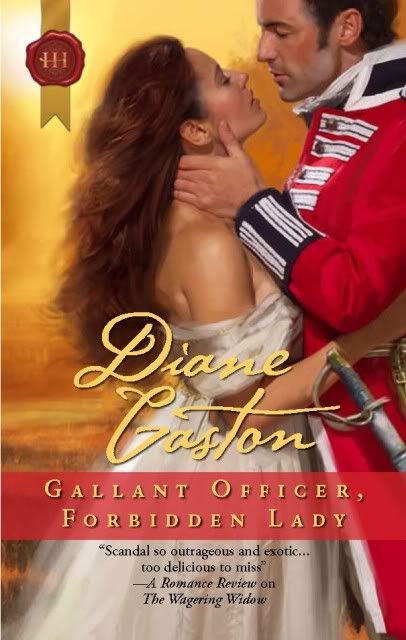
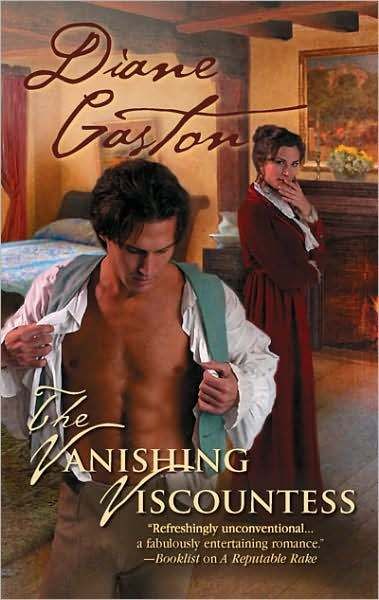
The Vanishing Viscountess for
free, and how to enter my new contest. The prizes? A signed
Nora Roberts book and a copy of
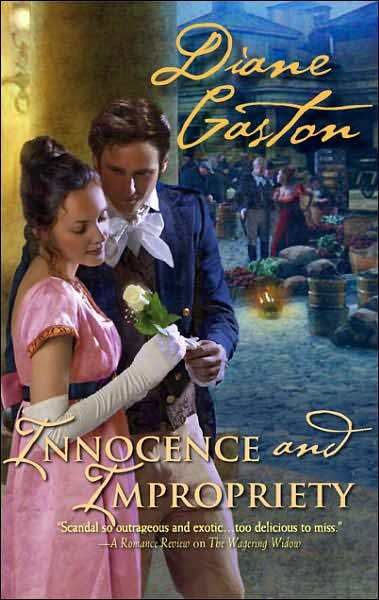
Innocence and Impropriety.
Labels: Conflict, Diane Gaston, Michael Hauge
Michael Hauge's Concepts of Identity and Essence
Last Fall I had the good fortune to attend an all day Washington Romance Writers workshop featuring Michael Hauge, screenplay consultant, lecturer, and author of the acclaimed book,
Writing Screenplays that Sell. From his years in Hollywood, Hauge has developed an understanding of the kind of story structure that results in successful screenplays. The good news is, his ideas are very helpful in writing romance.
(Note: I'll be using ‘hero’ in a generic sense, not a romance writing sense and I'll adopt the old convention of using ‘he' instead of the cumbersome 'he/she')Hauge’s concepts about Character are very integrated into his ideas about Plot. No matter what the external plot, the hero must have an inner journey of transformation, one which Hauge conceptualizes as a journey from Identity to Essence.

For this journey the hero must have not only a visible goal, but also a deeply held desire, an unfulfilled longing that he is too frightened to pursue.
What prevents the hero from fulfilling this deeply held desire is a wound from the past, an unhealed source of internal pain, a pain so strong he fears its reoccurance. From his wound, and his fears of repeating it, the hero develops a belief about himself. This belief about himself is what Hauge calls the hero's
Identity.
Identity is “the persona the hero develops to protect himself from the pain of re-experiencing his wound.” It is his “emotional armor,” what keeps him from again facing that early pain. It becomes, as Hauge says, who the hero thinks he is.

Hauge gives a great fill-in-the-blank sentence to help us figure out our hero’s Identity.
How would your character respond to this question?
“I would do whatever it takes to achieve my goal. Just don’t ask me to _____, because that is just not me.”Whatever belongs in that blank is, of course, what your character must do in the story.
In order to reach his inner goal, the hero must give up living in his identity, face his pain, and become the person he has the potential to be. Hauge calls the person-he-has-the-potential-to-be the hero’s
Essence.
Essence is who the hero really is on the inside, who he has the potential to be if he gives up his identity.
 Inner conflict
, Hauge says, is the “tug of war between Identity and Essence.”
So this is the battle we want to convey in our stories, showing glimpses of the hero’s essence, his fears, his wound, and his deeply held desire.
The only way the hero can achieve his deeply held desire is to “move out of his identity and into his essence” This is the hero’s transformation, his journey.
Try figuring out your characters using Hauge’s concepts. What is your character’s deeply held desire? What is his Wound? His Identity (use the fill-in the blank question)? His Essence?
Can you see his Inner Conflict? Do you get ideas about Plot?
♥♥♥♥♥♥♥♥♥♥♥♥♥♥♥♥♥♥♥♥♥♥♥♥♥♥♥♥♥♥♥♥♥♥♥♥♥♥♥♥♥♥♥♥♥♥♥♥♥♥♥♥This is only a tidbit of what Michael Hauge has to offer. I very enthusiastically recommend you attend one of Michael Hauge’s workshops, purchase one of his DVDs, or buy his book,
Writing Screenplays That Sell, all of which can be found on his
website or at
amazon.com.
♥♥♥♥♥♥♥♥♥♥♥♥♥♥♥♥♥♥♥♥♥♥♥♥♥♥♥♥♥♥♥♥♥♥♥♥♥♥♥♥♥♥♥♥♥♥♥♥♥♥♥♥Stay tuned this week for Colleen Gleason's Differentiating Heroes While Keeping Them Heroic (Tues), Jill Monroe's Alpha Heroes (Weds), Janet Mullany's Historical Characters and Their Problems (Thurs) and Q and A Day (Fri). Feel free to email me your questions for Q and A Day ahead of time
diane@dianegaston.comLabels: Character, Michael Hauge, writing

 Today is Q and A Friday, your chance to ask the Noodlers all your niggling questions about our topic of the month - CONFLICT
 Remember, if you ask a question or make a comment this month you will have a chance to win an autographed Jo Beverley book